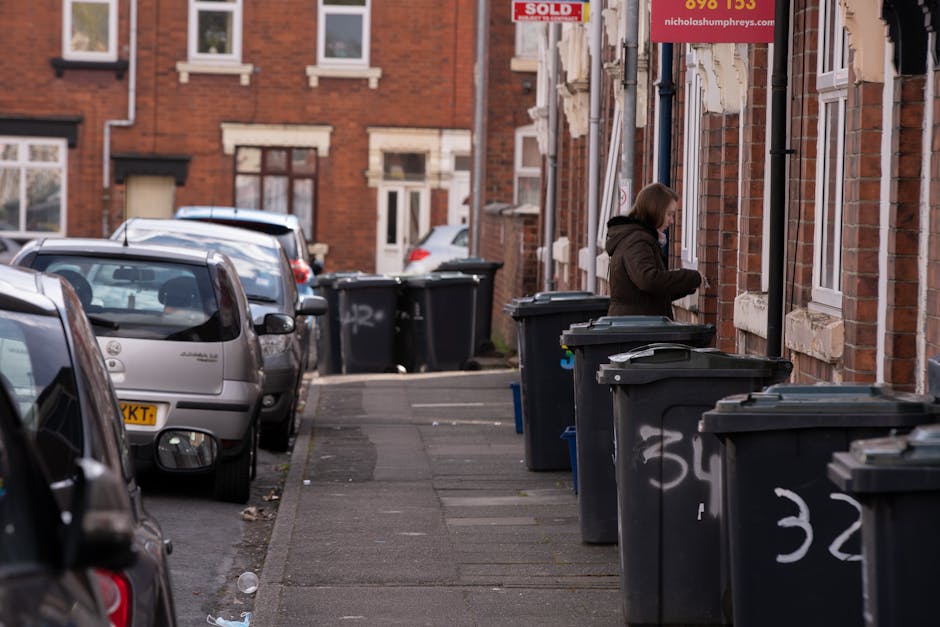
Romford RM1 rubbish collection guide for fast clearances
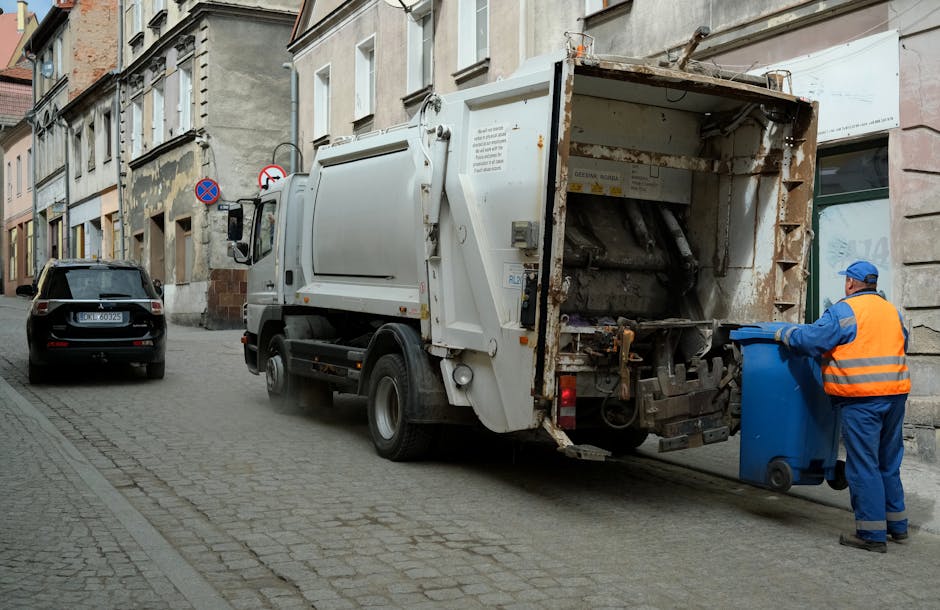
If you need space back quickly, a good Romford RM1 rubbish collection guide for fast clearances can save a surprising amount of time, stress, and backache. Whether you are dealing with a flat that needs emptying, builder's debris after a messy project, or a pile of old furniture that has been glaring at you for weeks, the aim is the same: get it out safely, legally, and without faffing about.
In RM1, speed matters because clearances are often tied to moving dates, end-of-tenancy deadlines, refurbishments, or simply the point where the clutter starts becoming part of the furniture. And let's face it, rubbish has a habit of multiplying overnight. This guide walks you through how fast clearances work, what to prepare, what to avoid, and how to choose the most sensible route for your situation.
Why Romford RM1 rubbish collection guide for fast clearances Matters
A fast clearance is not just about speed. It is about removing waste in a way that keeps your property usable, your timeline intact, and your responsibilities clear. In a busy part of East London like Romford RM1, delays can snowball fast. A hallway full of bags becomes an access problem. A garage stuffed with broken bits becomes a safety issue. A half-finished clearance can stall a handover, a sale, or a renovation.
People often think rubbish collection is a simple "load and go" job. Sometimes it is. Often it is a bit more involved. Different waste types need different handling, and the smoother your preparation, the faster the clearance. That is the real value of a solid guide: it helps you avoid waiting around while the team sorts things you could have separated in advance.
There is also a practical cost angle. When waste is already sorted, accessible, and ready to move, the job tends to be cleaner and more efficient. That does not mean every clearance should be rushed. It means the process should be streamlined. For many households and businesses, that is the difference between a calm morning and a very long one.
Expert takeaway: Fast clearances work best when you treat them like a small project: identify the waste, clear the access, separate special items, and book the right service for the job.
How Romford RM1 rubbish collection guide for fast clearances Works
Most fast rubbish collections follow a similar pattern, even if the details vary by property type. First, you describe what needs removing. Then you choose a collection time, explain access, and flag anything awkward such as heavy appliances, confidential paperwork, sharp materials, or waste that may need special handling. After that, the team arrives, assesses the load, and clears it with as little disruption as possible.
In simple terms, the cleaner the brief, the faster the collection. If you say "a bit of rubbish," that is not much use. If you say "two wardrobes, one broken freezer, six bin bags, and some builders' rubble in the rear alley," now we are getting somewhere. That clarity helps with vehicle choice, manpower, and time planning. To be fair, it also saves you having to answer ten follow-up questions on the doorstep.
Fast clearance is particularly useful when you have limited time on site. A void property, a flat with narrow stair access, or a commercial unit with no spare storage can all benefit from a tightly organised removal. If you are dealing with bulky household items too, pages like furniture disposal, mattress and sofa disposal, or fridge and appliance removal can be useful starting points for planning what happens next.
Sometimes, the best approach is broader. If the job includes mixed waste from a renovation, a move, or a large sort-out, general waste removal may be the right fit. For larger clearances, you may also want to look at home clearance, house clearance, or flat clearance depending on the property type.
Key Benefits and Practical Advantages
The biggest benefit is obvious: speed. But fast clearance gives you more than just a tidy room. It buys back usable space, reduces trip hazards, and stops a temporary mess from turning into a longer-term problem. If you have ever walked into a room and felt your shoulders tense up because of the clutter, you know exactly what that relief feels like when it is gone.
Here are the practical advantages people notice most:
- Quicker turnaround: Ideal for last-minute moves, lettings, refurbishments, and end-of-tenancy deadlines.
- Less disruption: A well-planned collection can often be completed with minimal noise and mess.
- Safer access: Removing clutter reduces blocked exits, trip points, and lifting hazards.
- Better organisation: Once one area is cleared, the rest of the space becomes much easier to manage.
- Proper disposal: Reusable and recyclable items can be separated from general rubbish where appropriate.
There is also a confidence benefit that people do not mention enough. When waste is collected professionally and the process feels under control, the whole job becomes less emotionally draining. That matters with bereavement clearances, long-overdue home declutters, or office changes where nobody really wants to be the one dealing with the mess.
If the job needs a more targeted service, you can also look at specialist pages such as garage clearance, loft clearance, garden clearance, or builders waste clearance. Those narrower services can be a smarter fit than trying to force everything into one broad label.
Who This Is For and When It Makes Sense
Fast rubbish collection in Romford RM1 is useful for a lot of people, but it is especially sensible if your situation has a deadline or the waste is getting in the way of normal life. Think of the landlord who needs a flat empty before new tenants arrive, the family clearing a loft before decorating starts, or the business trying to get an office usable before staff return on Monday morning. Different problems, same need: make the space workable again, quickly.
You may need this kind of service if you are:
- moving home and need bulky items removed before handover
- clearing a rental property after tenants leave items behind
- sorting a loft, garage, or shed that has become a storage black hole
- renovating and need rubble or packaging taken away
- replacing furniture or appliances and do not want the old ones hanging around
- running a business that cannot afford waste to pile up on-site
It also makes sense if lifting is a problem. Not everyone can shift a wardrobe down narrow stairs or wheel a dead fridge through a tight side passage. And frankly, you should not have to. If the waste includes office paper or records, confidential shredding may be relevant too, especially when documents need secure handling rather than a simple bin bag solution.
Sometimes people wait too long because they are trying to "do it themselves at the weekend." Then the weekend arrives, it rains, the skip is full, or the car is too small. Funny how that happens.
Step-by-Step Guidance
If you want a fast clearance to go smoothly, follow a proper sequence. A little prep goes a long way, and it usually means the collection starts and ends on schedule.
- Identify everything that needs to go. Walk through the property and list items by room or area. Be specific.
- Separate waste types. Keep general rubbish apart from bulky furniture, appliances, green waste, or construction debris where possible.
- Flag anything unusual. Batteries, paint, chemicals, gas bottles, asbestos, and some electrical items may need special treatment.
- Clear access routes. Make sure doors, hallways, stairwells, and driveways are usable. Move parked cars if needed.
- Decide what is staying. It sounds basic, but accidental removals happen when rooms are packed and labels are missing.
- Book the right collection method. Match the service to the waste type and urgency.
- Be available for a quick sign-off. A short walk-through at arrival helps avoid mistakes and delays.
A useful trick: take a few photos before the collection, especially for large or mixed clearances. Not because anyone expects perfection, but because it helps everyone understand the scale. In practical terms, a 20-second photo often explains a job better than a long message thread.
For businesses, it can help to coordinate collections around trading hours so staff and customers are not disrupted. For homeowners, it often works best to stage waste near the exit the day before, provided it is safe and does not block access. Small thing, big difference.
Expert Tips for Better Results
After plenty of clearances, one pattern stands out: the jobs that feel "fast" are usually the jobs that were prepared properly. Here are the things that make a real difference.
- Label piles clearly. Even a handwritten note on tape is better than nothing.
- Keep hazardous items separate. Do not mix suspicious materials into general rubbish.
- Measure awkward items if space is tight. A bulky sofa or wardrobe can be more of a puzzle than a lifting job.
- Use the right service for the waste. Builder's waste is not the same as garden waste, and appliance removal is its own thing.
- Think about recycling first. If items can be reused or recycled, separate them early to save time later.
- Keep pathways dry and clear. Especially in winter or after rain. A wet hallway and a heavy item are not a great combination.
If you are comparing services, it can also help to review pricing and quotes before booking. Not because the cheapest option is always best, but because you want to understand what is included and whether the service fits the volume, access, and type of waste involved.
One more small tip. If you are unsure whether something can go in the load, ask before collection day. That one question can prevent a whole load of awkwardness on the kerb at 8:00 in the morning. Nobody wants that.
Common Mistakes to Avoid
Fast clearances go wrong for fairly ordinary reasons. The good news is that most of them are avoidable.
- Leaving sorting until the last minute. Mixed waste slows everything down.
- Underestimating access issues. Narrow stairs, locked gates, low ceilings, and parked cars all matter.
- Forgetting specialist items. Fridges, mattresses, electricals, and chemical containers need thought in advance.
- Assuming every item is allowed in one load. It is not always that simple.
- Booking the wrong size or type of service. This leads to delays, extra trips, or more cost than expected.
- Not checking paperwork or waste transfer details where relevant. For commercial jobs especially, clarity matters.
Another common mistake is being too casual about what gets left behind. A job might seem finished until someone spots a forgotten box in the loft or a bag of loose bits behind the shed. It happens more than people admit. Sometimes the last 10% takes 50% of the effort, which is annoyingly true.
For larger household jobs, it can also help to understand the boundaries of what goes where. A resource like what can go in a skip is useful for comparing disposal options, even if you ultimately choose a collection rather than a skip.
Tools, Resources and Recommendations
You do not need fancy equipment to organise a fast clearance, but a few practical tools make life easier.
- Marker pens and labels: good for sorting rooms, piles, or keep/remove decisions.
- Heavy-duty bags: useful for loose waste, soft furnishings, and mixed light debris.
- Gloves and sturdy footwear: especially if you are doing a pre-sort yourself.
- Phone camera: quick photos help describe the load accurately.
- Basic measuring tape: handy for bulky items and access checks.
- Calendar reminders: a small thing, but useful when your clear-out spans a few days.
On the service side, useful pages to review before booking include home clearance, office clearance, and furniture clearance. If the job involves a specific item type, the relevant specialist page can help you understand how the collection is typically handled.
It is also worth taking a minute to check recycling and sustainability. Even when you are in a hurry, you may still want usable items diverted from disposal where possible. That is often better for the environment and, honestly, can make the whole clearance feel a bit more responsible.
Law, Compliance, Standards, or Best Practice
Waste collection in the UK should be handled carefully and legally. You do not need to memorise legislation to make a sensible decision, but you should know the basics. If a clearance involves business waste, mixed materials, electricals, or items that could be hazardous, it is worth making sure the service provider follows proper handling, transport, and disposal practices.
Best practice usually includes the following:
- clear identification of waste types before collection
- safe handling of heavy or awkward items
- separation of hazardous or restricted materials
- responsible disposal routes for recyclable and reusable items
- transparent terms around access, timing, and scope
For peace of mind, many customers also review policy pages before booking. Relevant pages include health and safety policy, insurance and safety, and terms and conditions. Those do not make the rubbish vanish any faster, but they do tell you how the job is managed.
If you are disposing of items that may be classed as hazardous, use caution. Do not guess. A bottle with a strange residue, an old paint tin, or a damaged appliance can be more complicated than it looks. Better to ask than to assume. That advice sounds obvious, yet it saves a lot of headaches.
Options, Methods, or Comparison Table
There is more than one way to clear rubbish quickly in RM1. The right option depends on volume, access, item type, and how much time you have. A quick comparison makes the decision easier.
| Option | Best for | Speed | Things to watch |
|---|---|---|---|
| General rubbish collection | Mixed household or light commercial waste | Fast when access is clear | May need sorting for special items |
| Furniture or bulky item removal | Sofas, wardrobes, tables, mattresses | Very fast for individual items | Measure access and stairways first |
| Builders waste clearance | Renovations, rubble, packaging, timber offcuts | Fast if waste is stacked neatly | Heavy loads and dust need careful handling |
| House or flat clearance | Whole rooms, multiple items, end-of-tenancy jobs | Efficient when planned properly | Takes longer if the property is heavily mixed |
| Skip-based approach | Ongoing DIY or long projects | Not instant, but flexible | Useful only if you have the space and time |
If you want a quick decision rule, use this: one-off bulky items often suit a direct clearance, ongoing project waste can suit a skip, and mixed property clearances usually benefit from a more tailored removal plan. Simple enough, really.
People sometimes ask whether to choose a skip or a collection. The answer is not dramatic. It depends on access, the amount of waste, and whether you want the team to load it for you. If you want less lifting and faster results, a collection is often the cleaner option.
Case Study or Real-World Example
A common RM1 scenario goes like this. A family is preparing a rented flat for the next occupants. The property has a broken wardrobe, two mattresses, kitchen packaging, and a few bags of general clutter collected over years of "we'll deal with it later." The lease deadline is close, and the stairs are narrow. Not ideal.
They start by taking photos of each room, separating obvious bulky items from loose waste, and moving small bags near the front door without blocking the exit. One day before collection, they remove anything they want to keep and check whether there are any appliances or items needing special handling. On the day itself, the clearance team arrives with a clear brief, enough space to work, and no surprise items tucked behind the sofa. The job is done faster because the work started before anyone stepped on site.
That kind of outcome is pretty normal when the prep is right. The collection does not need to be dramatic. In fact, the best ones rarely are. You hear the shuffle of bags, a few careful lifts, the odd clunk from a bulky item, and then suddenly the room looks twice the size. Lovely, that.
For similar jobs, related services such as house clearance and flat clearance are often the most relevant routes because they match the real-world shape of the task rather than forcing everything into one generic category.
Practical Checklist
Use this quick checklist before your collection day. It is boring in the best possible way.
- List everything that needs removing
- Separate bulky items, loose waste, and special items
- Check access routes, gates, stairs, and parking
- Take photos if the job is large or mixed
- Move keep items out of the clearance area
- Make sure hazardous items are identified early
- Review relevant pricing or service information
- Confirm the booking time and collection details
- Prepare any documents or keys needed for access
- Do one final walk-through before the team arrives
Best quick-win tip: if you only have ten minutes, focus on access first. A clear path beats a perfectly sorted pile every time.
Conclusion
Fast rubbish collection in Romford RM1 is really about making a difficult job feel manageable. The waste goes, the space opens up, and the pressure eases. That is the whole point. If you plan the clearance properly, separate the awkward bits, and choose the right type of service, the process becomes a lot smoother than most people expect.
Whether you are clearing one bulky item or a whole property, the key is to act early and keep the brief simple and honest. That way, you avoid delays, protect your time, and get a cleaner result with less stress. And sometimes that is worth more than anything else.
Get a free quote today and see how much you can save.
When the clutter is finally out of the way, you usually notice the room feels quieter, lighter, and a bit more like your own again. Small victory, but a proper one.
Frequently Asked Questions
What counts as rubbish collection in Romford RM1?
It usually means the removal of unwanted household, commercial, or bulky waste from a property, driveway, garage, office, or other accessible location. The exact scope depends on the job and the type of waste involved.
How can I make a fast clearance happen more quickly?
Sort the waste beforehand, clear access routes, identify any special items, and give a clear description of the load. A tidy, specific brief is one of the biggest time-savers.
Can I mix furniture, bags of rubbish, and builders waste together?
Sometimes mixed loads are possible, but it is better to explain exactly what you have. Different waste types may need different handling, and mixing them without warning can slow the job down.
Do I need to be at the property during collection?
Often yes, at least at the start, so you can confirm what is being removed and answer access questions. For some jobs, once the brief is clear, a quick handover may be enough.
What happens if I have a fridge, mattress, or sofa to remove?
Those items usually need specific handling because they are bulky or subject to special disposal requirements. It helps to mention them in advance so the right arrangements can be made.
Is rubbish collection better than hiring a skip?
It depends on the job. If you want the waste taken away quickly with minimal lifting, a collection is often the better fit. If you have ongoing project waste and space for a skip, that can work too.
How do I know if I have hazardous waste?
If the item contains chemicals, sharp residue, strong smells, or unfamiliar contents, treat it carefully and ask before disposal. Paint, solvents, certain batteries, and damaged appliances can all need special consideration.
Can businesses in RM1 use the same kind of clearance service?
Yes, but commercial waste often needs more careful planning, especially around access, timing, and documentation. For ongoing business needs, business waste removal is often the most relevant starting point.
Will sorting my rubbish beforehand reduce delays?
Almost always, yes. Clear piles, labeled rooms, and separated special items make the whole process more efficient and reduce the chance of missed items.
What should I check before booking a clearance?
Check what is included, whether the service suits your waste type, what access information is needed, and whether any special items must be declared. It is also sensible to review service terms and safety information first.
Can I ask for help with a full property clearance?
Yes. Full property clearances are common, especially for moves, probate situations, tenant changes, and long-overdue decluttering. Services such as home clearance or loft clearance may suit those larger jobs.
What if I only have a few items to remove?
Then a smaller collection is usually best. A single sofa, a broken appliance, or a few bags of waste can often be cleared without needing a large-scale service.
Is recycling considered in fast rubbish collection?
It should be, where practical. Many clearances can separate reusable or recyclable materials from general waste, which is better for the environment and often makes disposal more efficient.
How far in advance should I book a fast clearance?
If your timeline is tight, book as early as you can. Even a short lead time helps, but the more notice you give, the easier it is to match the right service and prepare properly.