Commercial Waste Havering Health & Safety Policy
 Introduction: This Health and Safety policy sets out the commitment of Commercial Waste Havering to maintain a safe working environment for employees, contractors and clients involved in commercial rubbish collection and waste management services. Our aim is to prevent injury, ill health and environmental harm by applying consistent controls across all commercial waste services in the area. The policy applies to all operational activities including bin collections, waste removal, transfer, storage and vehicle operations.
Scope and objectives: This policy covers risk identification, safe systems of work, training, incident reporting and continual improvement. It recognises the diverse risks associated with commercial rubbish removal, bulky waste handling and recycling operations. All staff and subcontractors delivering commercial refuse services must follow the measures described here and cooperate with management to ensure compliance.
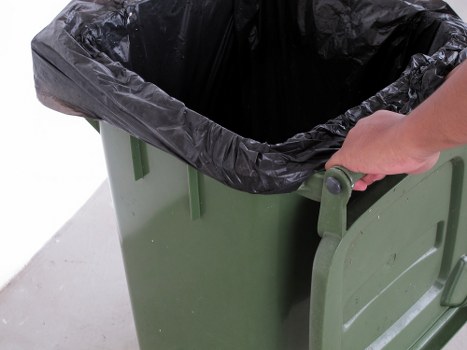 Roles and responsibilities: Senior management retains overall responsibility for health and safety and will ensure adequate resources are provided. Supervisors and team leaders are responsible for implementing safe working procedures and monitoring day-to-day compliance. Employees and contractors are expected to adopt safe practices, report hazards promptly and use provided personal protective equipment. Everyone has a role to play in maintaining a safe workplace.
Risk assessment, controls and safe systems
Risk assessments will be conducted for all routine and non-routine tasks, including refuse collection rounds, commercial waste lifts, compacting operations and vehicle loading. Identified risks will be reduced by applying the hierarchy of controls: elimination, substitution, engineering controls, administrative controls and PPE. Typical controls for rubbish collection Havering operations include designated loading zones, clear segregation of recyclable and hazardous materials, and mechanical aids for heavy items.
 Manual handling and equipment: Manual handling remains a primary hazard in commercial waste services. Staff will be trained in safe lifting techniques and provided with trolleys, sack trucks and lifting aids where practicable. Vehicles and compactors are to be maintained and inspected regularly; defects must be reported immediately. Safe operation of plant and vehicles is mandatory and drivers must adhere to vehicle safety checks, route planning and secure loading practices.
Hazardous and controlled waste: Commercial rubbish services may encounter hazardous substances, sharps or controlled wastes. These items must be segregated, labelled and handled only by trained personnel using appropriate PPE and containment. Any suspected hazardous material discovered during collections should be reported and isolated until specialist removal is arranged. Waste categorisation procedures will be enforced to prevent cross-contamination and to comply with environmental protection obligations.
Training, communication and incident management
 Training and competence: Delivering safe commercial waste services requires structured training and regular refreshers. Induction training covers company procedures, risk awareness, vehicle safety, manual handling and the use of PPE. Ongoing competence checks and toolbox talks focus on seasonal hazards, changes in legislation and operational updates. Records of training and competency assessments will be maintained for all staff and contractors.
Accident reporting and emergency response: All incidents, near misses and unsafe conditions must be reported immediately through the company reporting system. Incidents will be investigated to identify root causes and corrective actions. Emergency procedures, including spill containment, first aid and isolation of contaminated areas, will be clearly documented and rehearsed. Staff are encouraged to report near misses to prevent future harm.
 Monitoring, review and continuous improvement: Health and safety performance will be monitored through site inspections, vehicle checks, incident trend analysis and regular audits. The policy will be reviewed at least annually or following significant changes to operations, equipment or legislation. Management will set measurable objectives and targets to reduce injuries and improve safety culture in commercial rubbish collection and waste removal operations.
Contractor and third-party management: Contractors and subcontractors engaged to provide additional waste handling capacity must meet the company’s safety standards. Prior to engagement, contractors will be evaluated for competence and provided with a clear scope of work and site rules. Regular supervision and performance reviews will ensure that commercial waste contractors operate in line with established health and safety expectations.
Personal protective equipment and wellbeing: Appropriate PPE such as high-visibility clothing, gloves, safety boots and eye protection will be provided where necessary and must be worn. Occupational health measures include provision of welfare facilities, access to health surveillance when relevant and support for mental wellbeing. Fatigue management and shift patterns are reviewed to reduce risks associated with long working hours.
Key control measures include:
- Proactive risk assessments for every task and route
- Regular vehicle and equipment maintenance checks
- Training and competency verification for all operational staff
- Clear segregation of waste streams and safe handling of hazardous materials
- Robust incident reporting, investigation and corrective action
Policy endorsement: This Health and Safety policy for commercial waste services reflects a commitment to protecting people and the environment. It is the responsibility of all personnel involved in rubbish collection services to understand, implement and support the principles set out here. Management will provide leadership, resources and oversight to ensure these commitments are fulfilled and continuously improved.
