Complaints Procedure for Commercial Waste Havering
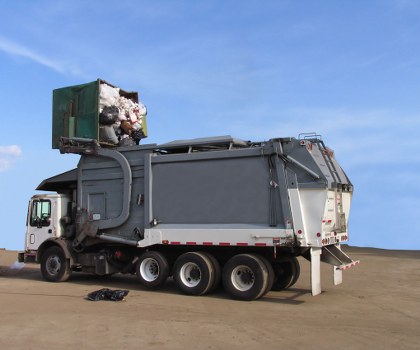 Purpose and scope. This complaints procedure explains how businesses can raise concerns about commercial waste services in and around Havering. It covers commercial waste collection, disposal, recycling and skip management provided by a private rubbish company serving the service area. The aim is to ensure that complaints are handled promptly, fairly and consistently so that issues with commercial waste collection in Havering are resolved with minimum disruption to your operations.
Who may complain: any business, landlord, property manager or authorised representative receiving commercial rubbish collection services may submit a complaint. The procedure applies to routine collections, missed pickups, contamination disputes, damaged bins and service failures, as well as billing or contractual queries related to Havering commercial waste services.
 Principles of handling complaints. Complaints will be treated with respect, kept confidential where possible, and investigated objectively. The provider will act in accordance with regulatory obligations and with an emphasis on customer service. Complainants will receive clear information about the next steps, expected timescales and the outcome. Our approach to commercial waste complaints emphasises transparency, continuous improvement and effective communication.
How to make a complaint
Stage 1: Informal resolution. Wherever possible, complaints should first be raised with the operational team responsible for the service route or contract. Many issues are resolved quickly at this level, for example arranging a return collection for a missed service, clarifying bin sizes for trade waste, or correcting invoicing errors. This stage encourages swift practical remedies for straightforward commercial rubbish problems.
Stage 2: Formal complaint. If a matter cannot be resolved informally, a formal complaint should be submitted in writing or via the customer portal provided by the waste contractor. A formal complaint will be acknowledged promptly and allocated to a complaints officer for full investigation. Please provide details of the service, dates, vehicle or crew identification where known, and any supporting evidence such as photographs.
 Stage 3: Investigation and response. Once a formal complaint is accepted, the investigation will identify root causes, any service-level breaches and corrective actions. The complainant will receive a written response setting out findings, decisions and any remedial steps such as remedial collections, credits, or changes to service specification. Responses will include the name of the officer handling the case and an expected timescale for resolution.
Timescales and escalation
Initial acknowledgement: complaints will be acknowledged within a defined short period (typically within 3–5 working days) so the business knows the issue is being taken seriously. Full investigations into operational issues may take longer depending on complexity; in such cases updates will be provided at regular intervals.
Resolution targets: where possible, routine issues such as missed collections or scheduling errors will be resolved within 7–14 days. More complex disputes involving contamination, hazardous materials or contractual interpretation may require a longer period while records and environmental or safety requirements are reviewed.
An escalation route is available if the complainant is dissatisfied with the outcome at the formal stage. The escalation will be reviewed by a senior manager or an independent complaints adjudicator appointed by the company to ensure impartial consideration of the facts and the service commitments.
Within the commercial waste sector there are external oversight options. If a complainant considers the final response inadequate, they may seek independent review by industry ombudsman schemes or regulatory bodies responsible for waste management standards. Such escalation routes typically require that the internal complaint process has been exhausted first.
Information required when complaining: to help the investigation, include the account or service reference, dates and times, description of the problem, photos of bins or vehicles if relevant, and details of any correspondence. Clear documentation speeds up investigation and improves the chance of a satisfactory resolution for trade waste and commercial rubbish cases.
 Remedies and corrective action. Remedies may include remedial collections, adjustments to invoices, bin repair or replacement, training for collection crews, route changes or contractual revisions. Where spillages or contamination occur, cleaning and recovery actions will be arranged in line with environmental obligations and safety protocols.
 Recording and learning. All complaints and outcomes are recorded to identify patterns and opportunities for improvement. Continuous monitoring helps reduce repeat incidents, improve customer communication and enhance service reliability across the service area. Records are retained in accordance with data protection and retention policies.
Confidentiality and data use. Personal and business data provided during a complaint will be used only for investigating and resolving the issue, and will be processed in line with privacy obligations. Information may be shared internally with staff involved in the investigation and externally with contracted partners when strictly necessary for resolution.
Review and amendment: this complaints procedure will be reviewed periodically to ensure it meets regulatory expectations and the needs of businesses using commercial waste collection services. Changes will reflect operational learning, statutory updates and commitments to improved environmental practice for trade waste in the region.
- Quick checklist: raise initial concerns with the crew or operations team;
- submit a formal complaint with evidence if unresolved;
- expect acknowledgement and a structured investigation;
- use the escalation route if the formal response is unsatisfactory;
- retain records of the complaint and any correspondence.
This complaints procedure applies to commercial waste services provided by private rubbish companies within the service area, and is designed to be fair, transparent and effective for businesses seeking resolution to operational or contractual issues.
